
Strong bones don’t happen by accident.
Bone health is often associated with older age or osteoporosis. Many people don’t think much about their bones until a fracture, a diagnosis or menopause brings them into focus.
The reality is that healthy bones are built over a lifetime.
From childhood through to older adulthood, your bones are constantly changing. The food you eat, the way you move your body and other everyday lifestyle habits all contribute to keeping them healthy and strong.
Looking after your bones isn’t about one stage of life, it’s about supporting them every step of the way.
How bone health changes throughout a woman’s life
Bones are living tissue.
Although they may seem solid and unchanging, your body is constantly breaking down old bone and replacing it with new bone through a process called bone remodelling.
During childhood, adolescence and early adulthood, your body builds bone faster than it loses it. This allows you to develop what is known as your peak bone mass, the greatest amount of bone your skeleton will have during your lifetime.
As we age, this balance gradually changes. Bone is broken down faster than it is rebuilt, and in women this process often accelerates after menopause because declining oestrogen levels affect bone density.
This is why bone health isn’t something to think about only later in life. The foundations for healthy bones are laid many years earlier.
The role of nutrition and lifestyle in maintaining strong bones
Calcium is often the first nutrient people associate with bone health, but it isn’t the only one that matters.
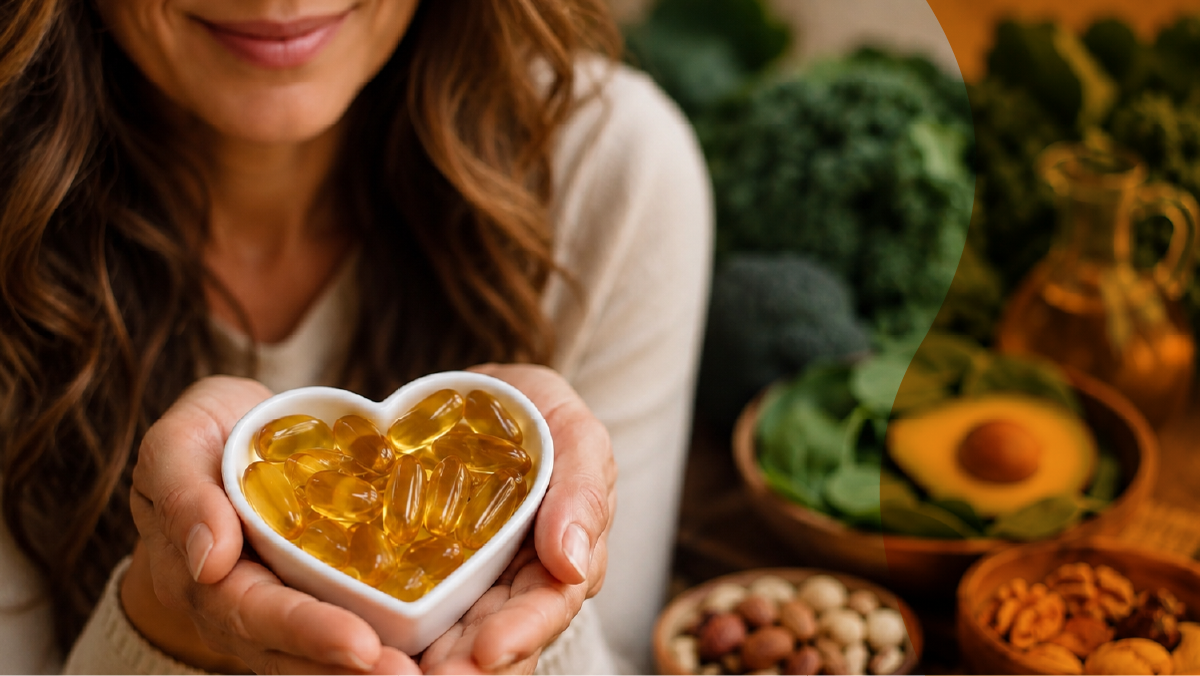
Vitamin D helps your body absorb calcium effectively, while protein provides the building blocks needed to maintain bone tissue. Nutrients such as magnesium, phosphorus and vitamin K also contribute to healthy bones as part of a varied, balanced eating pattern.
Nutrition is only one part of the picture.
Weight-bearing activities such as walking, jogging or dancing, along with resistance exercises that strengthen muscles, encourage bones to adapt and remain strong. Regular movement, together with good nutrition and other healthy lifestyle habits, all contribute to supporting bone health throughout life.
Rather than searching for one “bone-boosting” food or supplement, it’s your overall pattern of eating and living that has the greatest influence over time.
Practical ways to support your bone health
- Supporting your bones doesn’t need to be complicated. Small, consistent habits can make a meaningful difference over time.
- Some practical ways to look after your bone health include:
- Including calcium-rich foods as part of your regular eating pattern.
- Getting enough vitamin D through safe sun exposure, food sources and supplementation where appropriate.
- Eating enough protein to support both bone and muscle health.
- Taking part in regular weight-bearing and resistance exercise.
- Avoiding smoking and limiting alcohol where possible.
- Speaking to your healthcare professional if you have concerns about your bone health or your risk of osteoporosis.
Looking after your bones is an investment in your future health. The habits you build today can help support your mobility, independence and quality of life for years to come.
The bottom line
Bone health isn’t something that suddenly becomes important later in life, it’s built gradually through the choices we make over many years. Nutrition, movement and other healthy lifestyle habits all contribute to supporting strong bones, making it worth investing in them at every stage of life.
Need personalised support?
If you’d like to better understand how nutrition can support your bone health, a registered dietitian can help you develop an eating plan that meets your nutritional needs and fits your lifestyle.
Whether you’re looking to optimise your bone health, manage osteoporosis or simply build healthy habits for the future, personalised nutrition advice can help you make informed decisions with confidence.
To learn more or book an appointment, get in touch with us.
And if you enjoyed this article, follow Facts & Flavours on Facebook and Instagram for weekly, evidence-based nutrition insights designed to help you better understand your body and your health.