
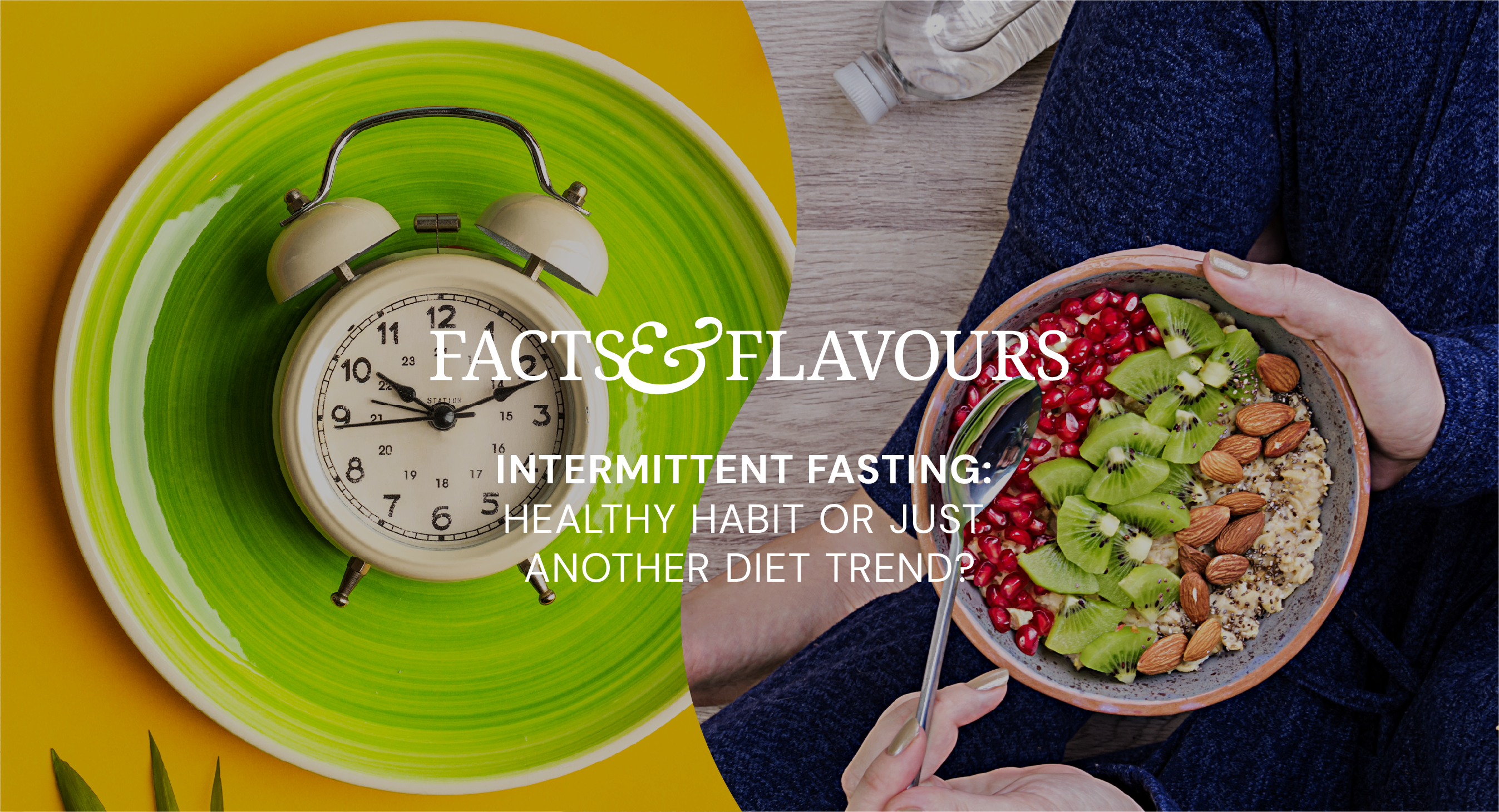
Intermittent fasting has become one of the most talked-about approaches to eating in recent years. You’ve probably heard friends mention it, seen influencers talk about it online, or even wondered whether skipping breakfast might be the key to better health.
But is intermittent fasting actually healthy? Or is it simply another nutrition trend that sounds more impressive than it really is? The truth is, like many things in nutrition, the answer isn’t a simple yes or no.
What exactly is intermittent fasting?
Despite the complicated name, intermittent fasting isn’t really about what you eat – it’s about when you eat.
Instead of spreading meals throughout the day, intermittent fasting focuses on eating within a specific window of time and fasting for the remaining hours. A common approach is the 16:8 pattern, where you fast for 16 hours and eat during an 8-hour window. Others prefer a 12:12 approach, or occasionally longer fasts on certain days of the week.
For some people, this structure feels simple and manageable. For others, it feels restrictive and difficult to maintain.
And that’s where the real conversation begins.
Intermittent fasting benefits: why some people feel better with it.
There are a few reasons intermittent fasting has gained popularity. Some people report that it helps them feel less focused on constant snacking or grazing. Having a defined eating window can create structure, and that structure can sometimes make eating habits feel easier to manage.
There is also growing research exploring how periods of fasting may affect things like insulin sensitivity and metabolic health. Some studies suggest potential benefits, particularly for certain individuals under the right conditions.
But it’s important to remember that nutrition science is rarely one-size-fits-all.
Intermittent fasting risks: when it may become problematic.
While intermittent fasting may work well for some people, it isn’t necessarily the best approach for everyone.
For many individuals, especially those with busy lifestyles, high energy demands, or complicated relationships with food, long fasting periods can lead to intense hunger, low energy levels, irritability, and overeating later in the day.
In some cases, the strict timing rules can also shift focus away from the quality and balance of food being eaten. If the eating window becomes an excuse for highly processed foods or large portions, the potential benefits quickly disappear.
And for certain groups – including people with specific medical conditions, pregnant women, growing teenagers, or individuals with a history of disordered eating – fasting patterns may not be appropriate at all.
The bigger picture: Is intermittent fasting sustainable long term?
At Facts & Flavours, the focus is always on sustainable, balanced eating habits, not rigid rules or quick fixes.
The question we encourage people to ask isn’t simply “Does intermittent fasting work?” but rather “Does this way of eating support my health, lifestyle, and relationship with food?”
For some people, a slightly longer overnight break between dinner and breakfast can feel natural and beneficial. For others, regular balanced meals throughout the day support better energy, concentration, and overall wellbeing.
Both approaches can be healthy when they are done thoughtfully and in a way that fits the individual.
The most important thing to remember.
Nutrition trends come and go. What tends to last much longer are eating patterns that feel realistic, enjoyable, and sustainable.
Rather than chasing the latest trend, it’s often more helpful to focus on the fundamentals: balanced meals, consistent nourishment, and an approach to food that supports both physical and mental health.
Because the goal isn’t simply to follow a rule about when to eat.
The goal is to feel well, fuel your body properly, and develop a relationship with food that works for you in the long run.
If intermittent fasting is something you’re curious about, or if you’re unsure whether it’s appropriate for your individual needs, speaking to a qualified dietitian can make a big difference. Nutrition advice should always take into account your lifestyle, medical history, and personal goals.
At Facts & Flavours, we believe good nutrition isn’t about extremes – it’s about understanding what works best for you.
Here are some common questions about intermittent fasting
- Is intermittent fasting safe for women?
- Can intermittent fasting help with weight loss?
- What are the side effects of intermittent fasting?
- How long should you fast, for beginners?
If you’d like to explore these questions, book an appointment with us, and we’ll help you find the answers to suit your lifestyle.