
As parents, we all want our children to eat well.
Yet for many families, food can become one of the most stressful parts of the day.
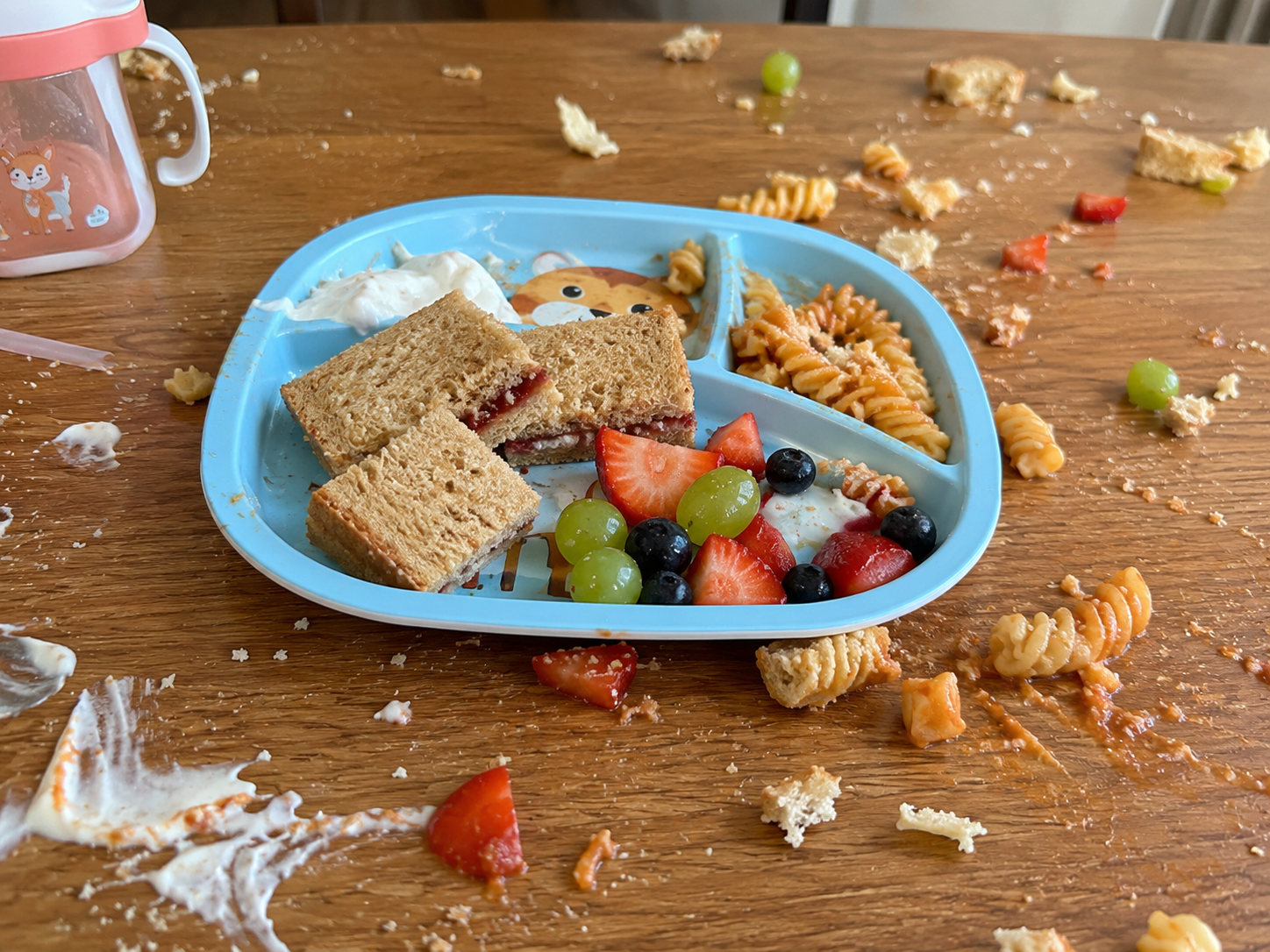
You prepare a meal with good intentions, only for it to be refused. Lunchboxes come home untouched. A food your child happily ate last week is suddenly unacceptable this week. What should be a simple family meal can quickly turn into frustration, worry and negotiation.
Many parents find themselves wondering:
“Am I doing something wrong?”
“Is my child getting enough nutrition?”
“Will they ever grow out of this?”
If any of those questions sound familiar, you’re not alone.
Picky eating is one of the most common concerns parents discuss with dietitians. While it can feel overwhelming, it’s important to know that selective eating is often a normal part of childhood development.
Understanding why children eat the way they do is the first step towards reducing mealtime stress and building a healthier relationship with food for the whole family.
Is picky eating normal in children?
In many cases, yes.
Children experience food differently from adults, and selective eating is often a normal part of development.
Many children are naturally cautious about new foods. This is thought to be a protective instinct that develops during early childhood. Some children are also more sensitive to tastes, textures, smells or even the appearance of food.
Many parents worry that picky eating means they are doing something wrong.
In reality, feeding children can be complex. Every child has a unique personality, appetite, sensory experience and relationship with food. What works for one child may not work for another.
Understanding this can help reduce some of the pressure parents often place on themselves and their children.
Why is my child a picky eater?
For some children, factors such as illness, developmental stages, anxiety, sensory sensitivities or previous negative experiences with food can influence eating behaviours.
The key thing to remember is that picky eating is rarely about being difficult or stubborn.
Children often have genuine reasons for their food preferences, even if those reasons aren’t always obvious to us.
Looking beyond the behaviour and considering what may be influencing it can help parents respond with greater understanding and less frustration.
When should parents worry about picky eating?
While selective eating is common, there are times when additional support may be helpful.
You may benefit from speaking with a dietitian if your child:
• Eats a very limited range of foods
• Avoids entire food groups
• Is not growing as expected
• Experiences significant anxiety around food
• Has frequent mealtime meltdowns
• Struggles with chewing, swallowing or certain food textures
• Has medical conditions that affect eating or nutrition
Early guidance can help prevent nutritional gaps and reduce stress for both children and parents.
How can I help my child try new foods?
One of the most important goals is not simply getting children to eat more vegetables today. It is helping them develop a positive, lifelong relationship with food.
Keep pressure off
Constantly encouraging, bribing or forcing children to eat can sometimes have the opposite effect.
Children are generally better at listening to their hunger and fullness cues when they feel relaxed and in control.
Offer, don’t force
Continue offering a variety of foods alongside familiar favourites. Research shows that children often need multiple exposures to a food before accepting it.
Sometimes seeing, touching or smelling a food is progress, even if they don’t eat it.
How do I make mealtimes less stressful?
Make mealtimes predictable
Regular meal and snack times help children learn when to expect food and support healthy appetite regulation.
Focus on connection
Mealtimes are about more than nutrition. They are opportunities for family connection, conversation and learning.
When the focus shifts away from “just eat your food”, children often feel less anxious and more willing to engage.
What should I pack for a picky eater’s lunchbox?
Lunchboxes can feel like a daily test for parents.
It’s tempting to pack only the foods we know our children will eat, but including one familiar favourite alongside something new or less familiar can help expand food acceptance over time.
A useful approach is to include:
• One familiar food you know your child enjoys
• One accepted food they eat most of the time
• One new or less familiar option
This creates opportunities for exposure without creating pressure.
Remember, lunchbox success isn’t about perfection. It’s about providing opportunities for nourishment and exploration.
How do I help my child build a healthy relationship with food?
Perhaps the most important lesson we can teach children is that food is not something to fear, fight or feel guilty about.
Food provides nourishment, energy, enjoyment and connection.
Children who learn to trust their bodies, recognise hunger and fullness cues, and feel comfortable around a variety of foods are developing skills that can benefit them for life.
When should you see a dietitian for picky eating?
Every child is different.
A dietitian can help identify whether picky eating falls within typical developmental patterns or whether additional support may be needed. They can also provide practical, family-friendly strategies to improve nutrition while reducing mealtime stress.
Picky eating can be frustrating, worrying and, at times, completely exhausting.
But it doesn’t mean you’re failing as a parent, and it doesn’t mean your child will always struggle with food.
Building confidence around food takes time. It involves patience, repeated exposure, curiosity and creating an environment where children feel safe exploring new foods without pressure.
The goal isn’t perfection.
It’s helping children develop trust in their bodies, confidence around food and habits that can support them throughout their lives.
If you’re concerned about your child’s eating habits or if mealtimes have become a source of stress for your family, professional support can help.
At Facts & Flavours, we work alongside families to create practical, realistic strategies that support nutrition while protecting the positive relationship children have with food.
Because healthy eating isn’t just about what children eat today, it’s about helping them build confidence, curiosity and a lifelong relationship with food.
Follow us on Facebook and Instagram for more helpful day-to-day tips.